New Medications for Geographic Atrophy: What’s Changing in GA Treatment

Read time: 4 minutes
Geographic Atrophy (GA) is an advanced form of “dry” Age-Related Macular Degeneration (AMD). In GA, cells in the retina — especially those responsible for sharp, central vision — slowly break down. Over time, this creates patches of vision loss that can make it difficult to read, recognize faces, or drive.
Unlike “wet” AMD, GA doesn’t usually cause sudden bleeding or swelling in the eye, but it still leads to permanent vision loss. Because once these retinal cells are gone they cannot be restored, the focus of treatment is on slowing the disease and protecting the vision that remains.
For a broader overview of AMD and its types, see our earlier article: Types of AMD
Why New Treatments Are Needed
Until recently, GA had no approved treatments. Patients could only rely on careful monitoring, nutritional supplements, and lifestyle changes such as not smoking, eating a healthy diet, and protecting eyes from UV light. These steps remain important, but they cannot stop GA from progressing.
That has changed. For the first time, FDA-approved medications are now available that can actually slow the progression of GA, giving patients more time with their vision and independence.
The First FDA-Approved Treatments: Syfovre & Izervay
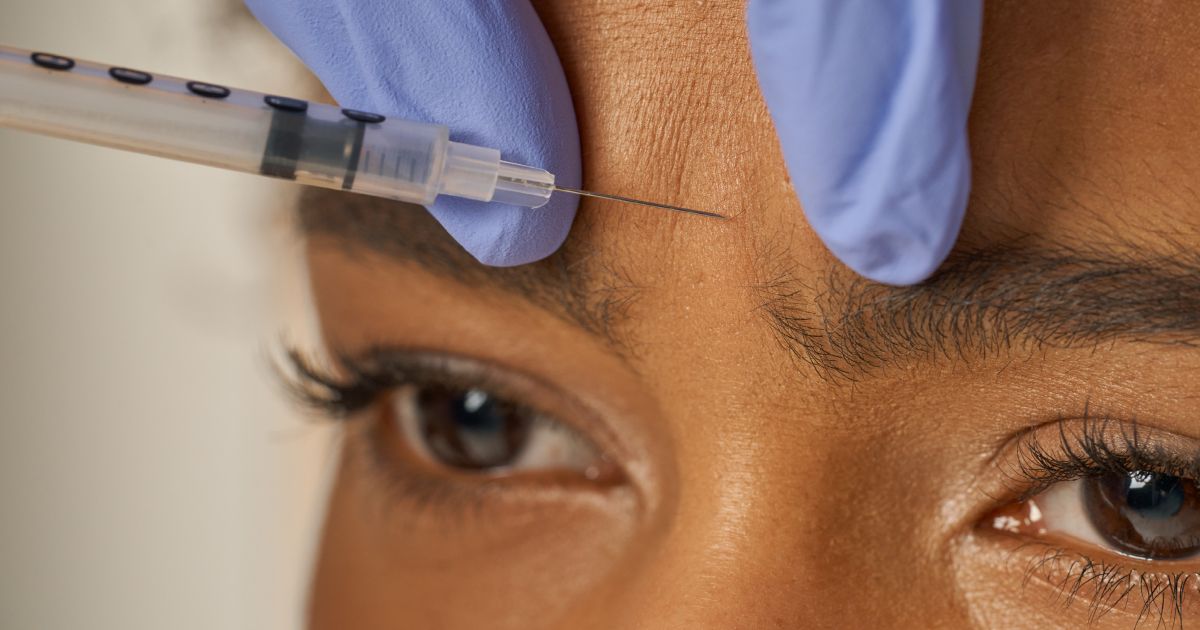
Two medications are now available for GA, both delivered as injections into the eye. While that may sound daunting, these procedures are quick and performed in-office by a retina specialist.
Syfovre (pegcetacoplan) works by targeting a part of the immune system called the complement pathway, which can become overactive in aging eyes. By calming this response, Syfovre helps protect retinal cells from damage. Clinical trials showed that monthly or every-other-month injections slowed the growth of GA lesions compared to patients who received no treatment.
Izervay (avacincaptad pegol) takes a slightly different approach but works on the same immune pathway. By blocking a specific protein (C5), it reduces the chain reaction that contributes to retinal damage. In trials, patients receiving Izervay had significantly slower progression of GA than those who did not.
What Are the Benefits?
The key benefit of both Syfovre and Izervay is time. These medications don’t cure GA or reverse vision loss, but they can slow the disease’s march forward. That means more years of being able to read, recognize faces, and maintain independence. Even slowing progression by 30–40% can make a meaningful difference in everyday life.
What Are the Risks?
Because both treatments are given as injections, there are some small risks — such as infection, eye inflammation, or temporary increases in eye pressure. Some patients may also develop bleeding on the surface of the eye or blurriness for a short time after treatment. In rare cases, patients treated with these drugs may later develop “wet” AMD, which requires its own treatments.
The important thing to know is that these risks are closely monitored by retina specialists, and the majority of patients tolerate treatment very well. For many, the benefit of slowing GA progression outweighs the potential downsides.
Other Promising Therapies in the Pipeline
The story doesn’t end with Syfovre and Izervay. Researchers are exploring other innovative approaches to managing GA, and while these treatments are still in trials, they offer exciting possibilities for the future.
One promising therapy is OpRegen, which uses stem cell transplantation. By placing healthy retinal cells into the eye, scientists hope to restore or protect vision where damage has occurred. Early results suggest it may help stabilize, and in some cases improve vision.
Another potential option is an oral medication called Tinlarebant. Instead of injections, this pill works by reducing certain byproducts of vitamin A that can accumulate in the retina and contribute to cell damage. If successful, it could make treatment much easier and more comfortable for patients.
Other therapies in development aim to protect the “power plants” of retinal cells (the mitochondria), use gene therapy to regulate immune responses, or target specific proteins involved in inflammation. While still investigational, these approaches suggest a future where GA may be managed in multiple ways — perhaps even with treatments tailored to each patient’s needs.
What This Means for Patients Today
For the first time, there are medications that can slow the progression of GA. If you’ve been diagnosed with GA or advanced dry AMD, it’s worth talking to your eye doctor about whether one of these new treatments might be right for you.
Because these medications do not restore lost vision, early detection is more important than ever. Regular eye exams, especially if you have AMD or a family history of it, can help catch changes early enough for treatment to make a difference. Imaging tests such as OCT scans and retinal photos allow doctors to monitor the size of GA lesions and track progression over time.
Lifestyle measures still matter: eating a diet rich in leafy greens and omega-3s, protecting your eyes from UV light, and avoiding smoking can all support eye health. These steps work hand-in-hand with medical treatment.
The Takeaway
Geographic Atrophy is a serious condition, but patients now have more hope than ever before. With the arrival of Syfovre and Izervay, there are real options to slow vision loss. At the same time, new therapies are on the horizon, from oral medications to cell-based treatments, that may expand choices even further.
At Urban Optiks Optometry, we stay at the forefront of these advancements. By combining advanced diagnostic technology with personalized care, we help patients make informed decisions about their eye health.
If you’ve been diagnosed with AMD or are concerned about vision changes, schedule a comprehensive eye exam. Together, we can explore whether these new treatments are right for you and help protect your sight for years to come.
Share this blog post on social or with a friend:
The information provided in this article is intended for general knowledge and educational purposes only and should not be construed as medical advice. It is strongly recommended to consult with an eye care professional for personalized recommendations and guidance regarding your individual needs and eye health concerns.
All of Urban Optiks Optometry's blog posts and articles contain information carefully curated from openly sourced materials available in the public domain. We strive to ensure the accuracy and relevance of the information provided. For a comprehensive understanding of our practices and to read our full disclosure statement, please click here.